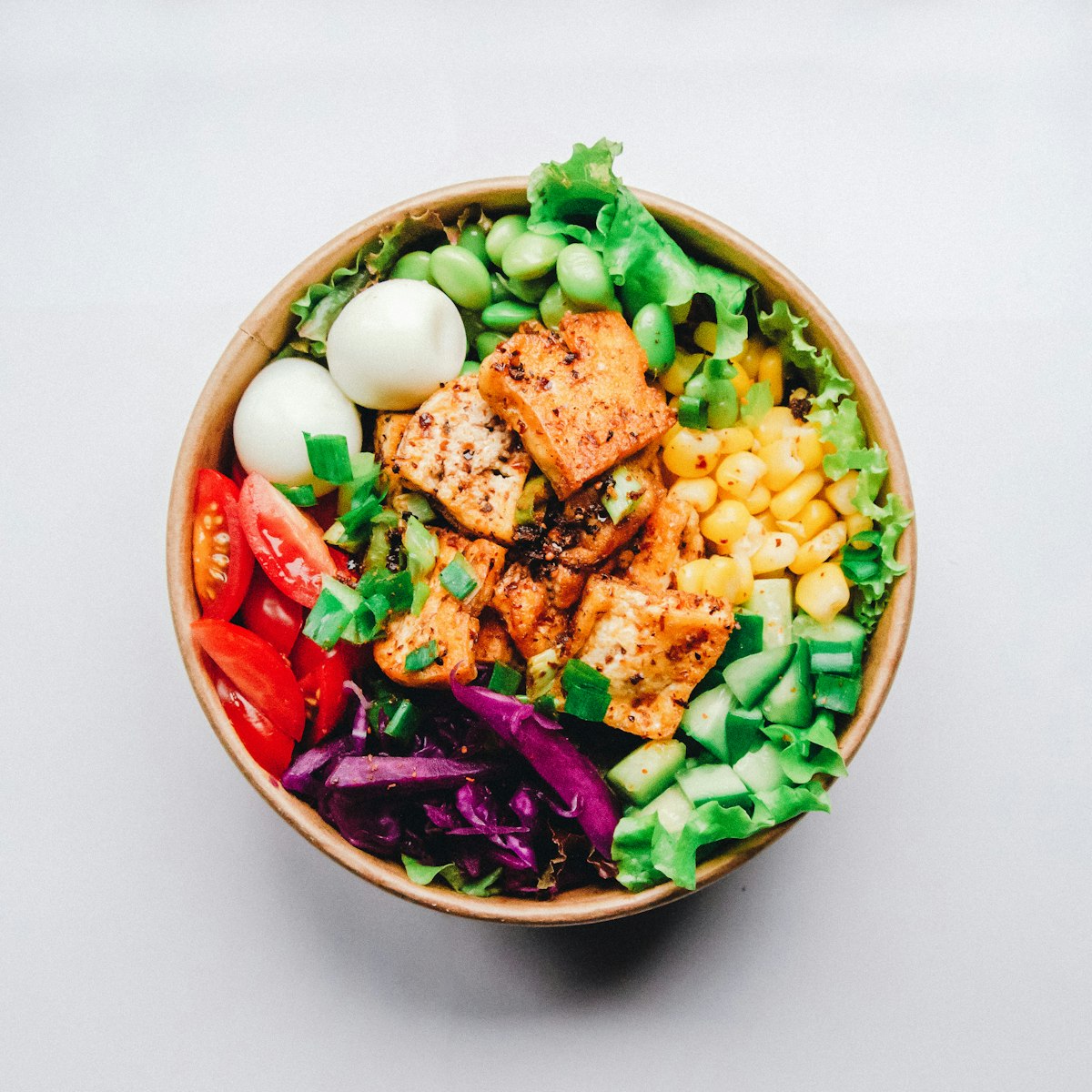
Why this approach
Sustained weight loss isn't about willpower at the dinner table — it's about not being hungry between meals. Protein and fat are the most satiating macronutrients; non-starchy vegetables fill the plate without filling the calorie budget; cutting sugar, refined carbs, and most fruit removes the foods most likely to drive snacking and cravings. You eat less because you want less, not because you're forcing it.
Core principles
- Protein is the lever30–40g per meal blunts hunger more than anything else.
- Volume from vegetablesHalf the plate, low-GI veg — eat a lot without overshooting.
- Cut liquid calories entirelySodas, juice, sweetened coffee/tea, alcohol.
- Three meals, minimal snackingLet hunger fall to zero between meals. Don't graze.
- No calorie counting at firstRemove trigger foods, eat to comfortable fullness, the math takes care of itself.
Foods to enjoy
-
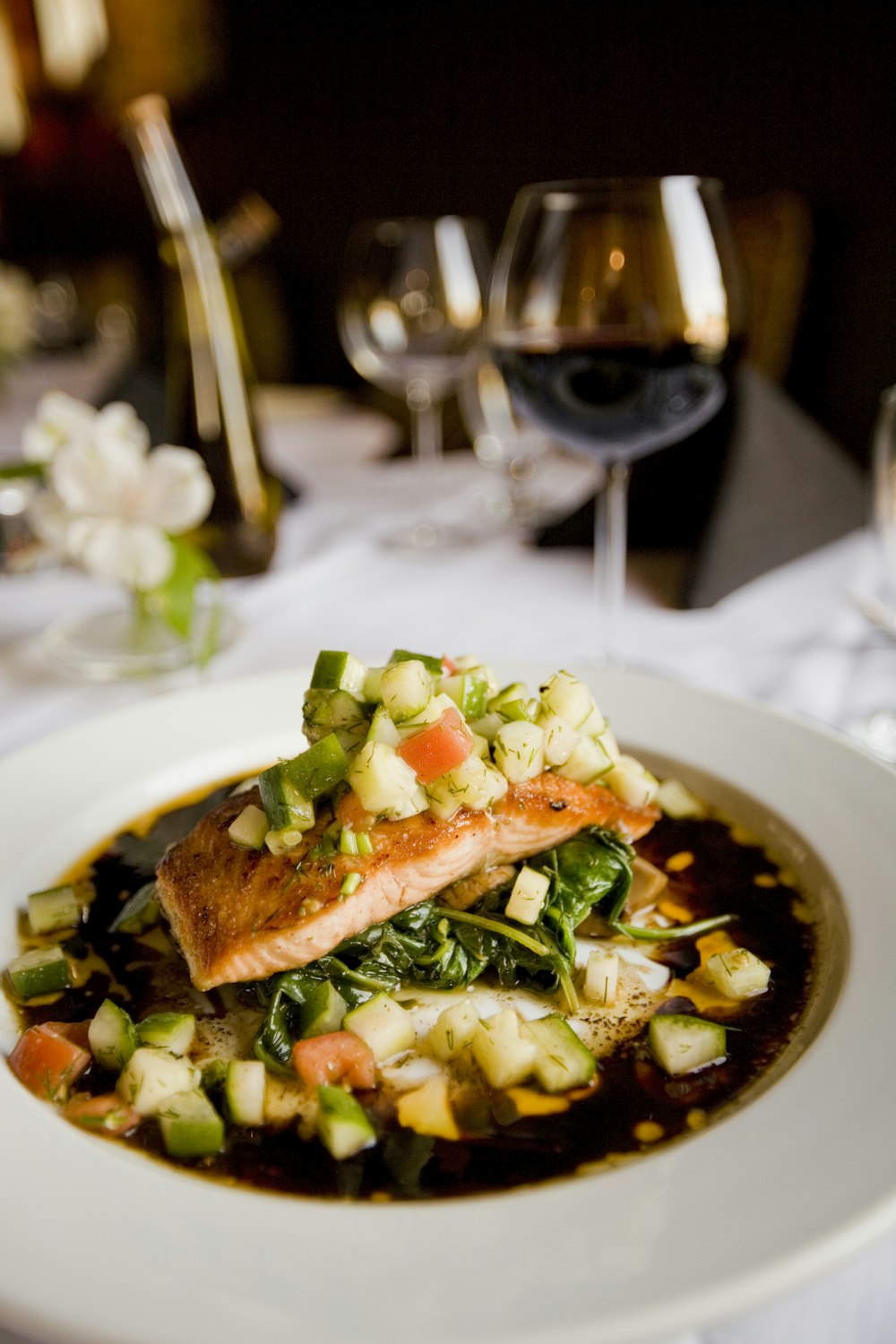
Proteins
Eggs, chicken breast, white fish, lean beef, tofu, paneer, unsweetened Greek yogurt, cottage cheese.
-
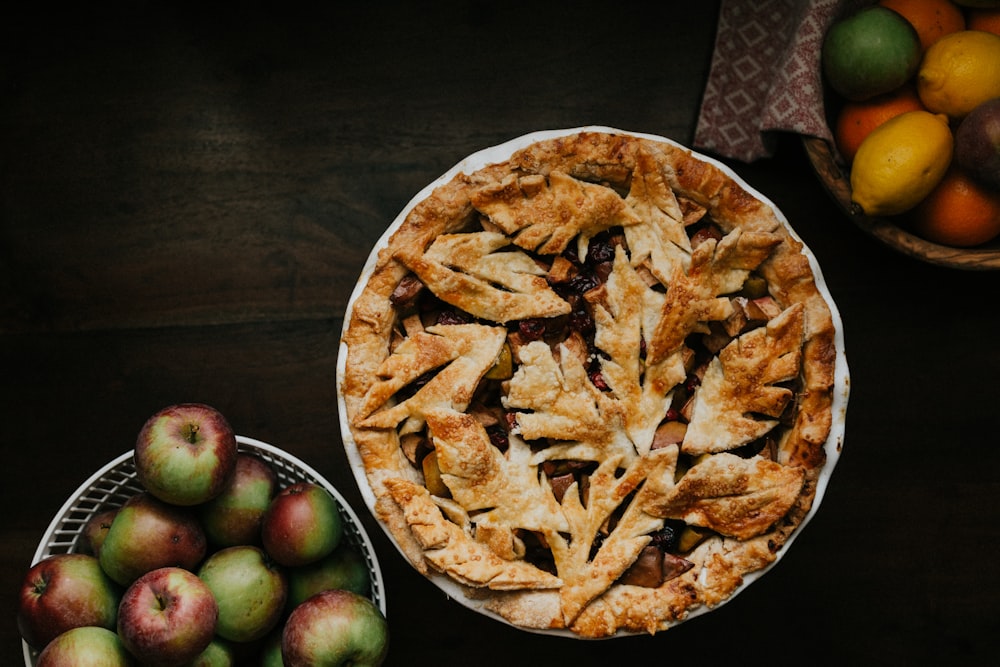
Healthy fats
Olive oil (in moderation), small amounts of avocado, a small handful of nuts as a snack — fat is satiating but calorie-dense.
-
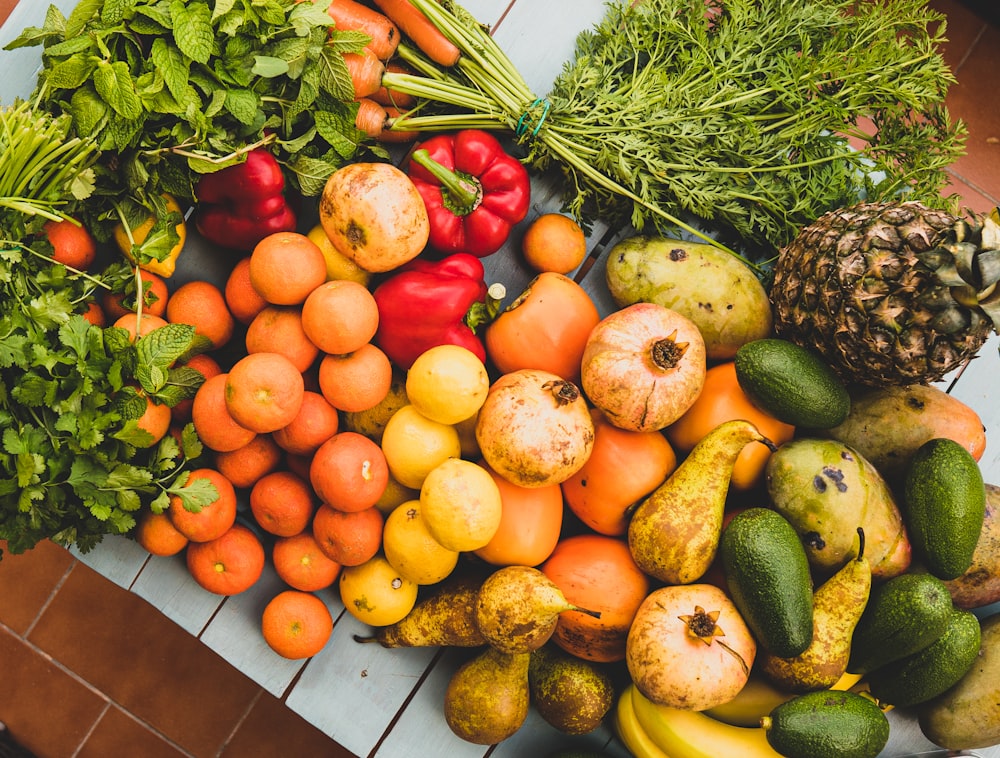
Low-GI vegetables
Spinach, kale, broccoli, cauliflower, zucchini, peppers, mushrooms, cucumber, asparagus, green beans, cabbage.
-
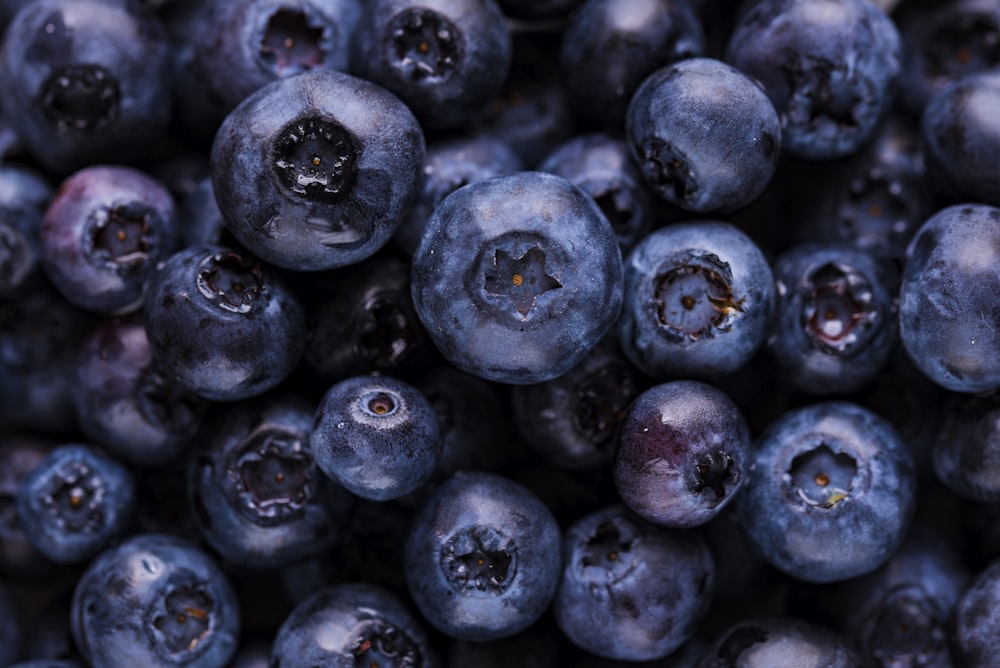
Fiber
Chia, flax, psyllium, small portions of lentils.
-
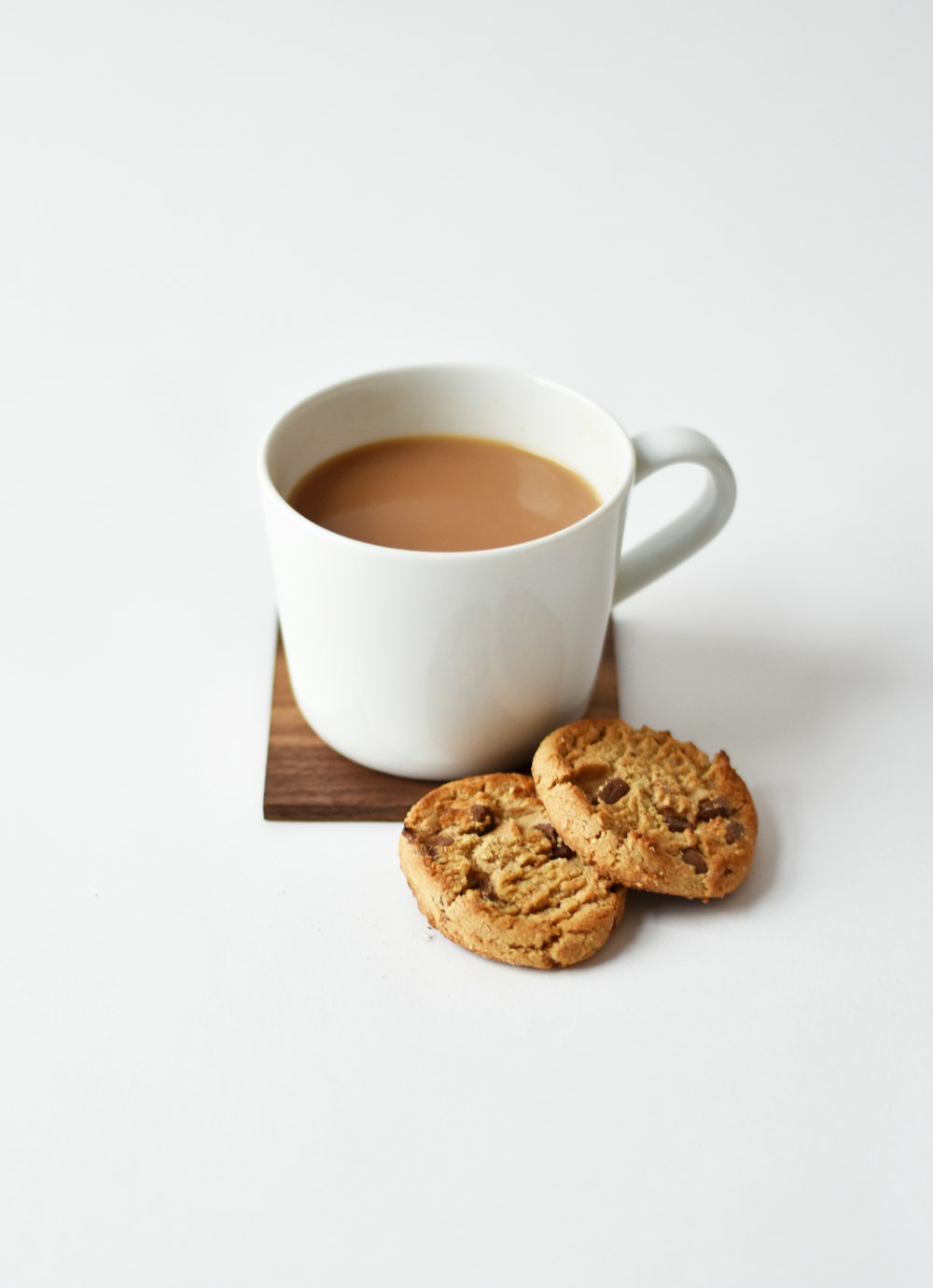
Beverages
Water, sparkling water, plain tea, black coffee.
Foods to avoid or limit
- Sugar in any form, including honey, jaggery, and "natural" sweeteners.
- Refined grains: white rice, bread, pasta, pastries, biscuits.
- Most fruit; absolutely no fruit juice or smoothies.
- Liquid calories: soda, juice, sweetened drinks, alcohol (especially beer and cocktails).
- Ultra-processed snack foods and "low-fat" packaged products (often loaded with sugar).
- Late-night eating — give yourself a 12-hour overnight fast where possible.
Sample day
| Breakfast | 3-egg omelette with mushrooms, spinach, and a small slice of avocado. Black coffee or plain tea. |
|---|---|
| Mid-morning | Skip if not hungry. Otherwise: water, or a few cucumber slices. |
| Lunch | Large salad with grilled chicken or paneer, mixed greens, peppers, cucumber, a tablespoon of olive oil, lemon. |
| Snack | Optional: 10–15 almonds, or Greek yogurt with a teaspoon of chia. |
| Dinner | Grilled fish or tofu with a generous helping of stir-fried broccoli, zucchini, and mushrooms. |
Notes
- Weigh yourself once a week, same day, same time, in the morning. Daily weight fluctuates with water and is not a useful signal.
- The first 1–2 weeks can include rapid water loss — that's normal. Real fat loss settles into roughly 0.5–1% of body weight per week.
- Walk daily. Diet drives weight loss; movement preserves muscle, mood, and cardiometabolic health. Aim for 7,000–10,000 steps a day.
- Coordinate with your doctor, especially if you have diabetes, take blood pressure medication, or have any history of disordered eating.